Understanding Steel Shot Blasting: Processes, Benefits and Applications

Steel shot blasting is a widely used surface preparation method in industries ranging from construction and automotive to shipbuilding and manufacturing. This process is valued for its efficiency in cleaning, strengthening, and preparing metal surfaces for further treatments such as painting, coating, or welding.

What is Steel Shot Blasting?

Steel shot blasting is a mechanical cleaning process that involves propelling small steel beads, known as shots, at high velocity onto a metal surface. The shots are typically round and made from high-carbon steel, giving them both hardness and durability. When they strike the surface, the impact removes rust, scale, paint, and other contaminants, leaving a clean and uniform finish.

Unlike other cleaning methods such as sandblasting, steel shot blasting is more effective at peening and strengthening metal surfaces. This makes it a popular choice in applications where durability and longevity are critical.

The Steel Shot Blasting Process

The process begins with loading the component or surface into a blasting chamber. High-powered turbines or air pressure systems accelerate the steel shots towards the target area. The abrasive action quickly strips away surface impurities, exposing clean metal beneath.

Once the blasting is complete, the used shots are collected, cleaned of dust and debris, and recycled back into the system. Steel shots can often be reused hundreds of times before they wear down, making the process both cost-effective and environmentally friendly.

Key Advantages of Steel Shot Blasting

Steel shot blasting offers several advantages over other surface preparation techniques:

  • High cleaning efficiency – The hardness and shape of steel shots ensure rapid and thorough removal of contaminants.
  • Surface strengthening – The process introduces compressive stress to the metal surface, enhancing its fatigue resistance.
  • Cost-effectiveness – The reusability of steel shots reduces the long-term costs of abrasive materials.
  • Consistency – Produces a uniform surface profile,

The Behind-the-Scenes of a Luxury Car Rally: Planning and Logistics

The luxury car rally is an amorphous intermingling of supercars, sleek branding, and unforgettable experiences. From mountain switchbacks to VIP parties, it all seems to fall into place. Just underneath the glossy visuals and Instagrammable moments, however, lies a vast expanse of coordination, logistics, and planning.

Should you want to know what goes into putting one together or are simply a car enthusiast wishing to see a bigger picture, this article lets you peek behind the curtain on the planning and execution of a luxury car rally.

Conceptualization and Theme Setting

Great rallies start with a clear definition of the concept and the target audience. Here, the organizers decide:

  • Car Type Allowed (exotics, supercars, classics, or variations thereof)
  • Rally ambiance and branding (adventure, charity, luxury lifestyle)
  • Theme, if any (example: black-tie rally, coastal cruise, desert run)
  • This concept settles everything from route to partnerships and media strategy.

Route Planning and Permits

Route designing is at the core of every rally. The organizers will have to select roads that are:

  • Scenic and enjoyable to drive
  • Legal and safe for high-performance vehicles
  • Accessible to emergency services if required

This often includes:

  • Mapping out several states or regions
  • Booking track days or a closed course
  • Securing municipal permits for group convoys, parades, or stopovers
  • Coordinating police escorts or traffic control in populated areas

Logistics and Accommodation

Organizing accommodations for dozens (or hundreds) of participants driving million-dollar vehicles is no small feat to pull off. Logistics scheduling involves:

  • Booking luxury hotels or resorts that could accommodate rally vehicles safely.
  • Coordinating valet parking services and secured overnight parking.
  • Scheduling fuel stops along the way with high-octane availability.
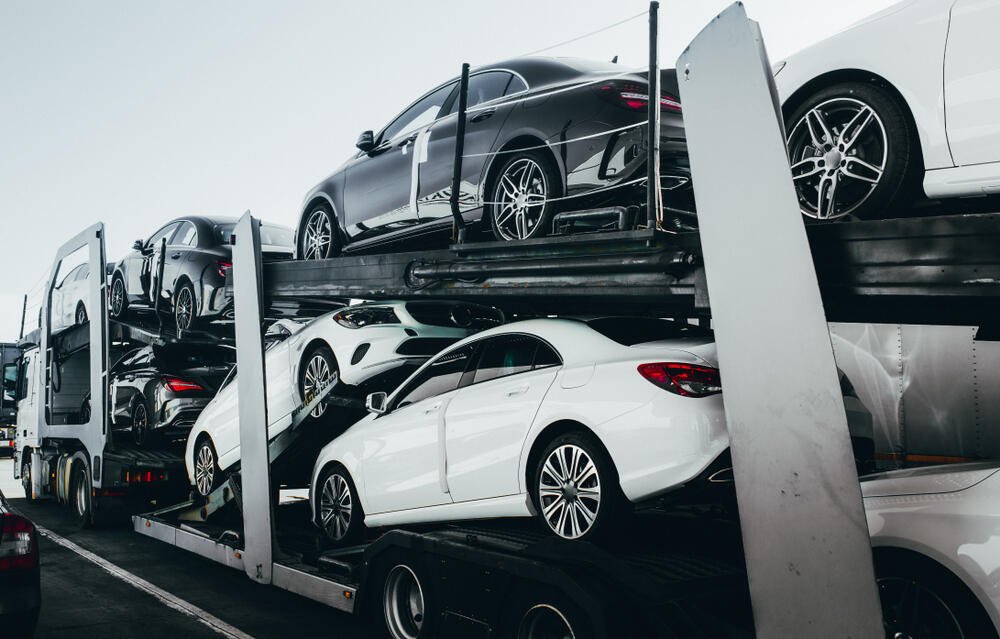
  • Arranging for transport and support teams for participants and vehicles (in case of a breakdown or emergency).
  • Transporting the luggage is often offered to ensure drivers can concentrate